May 18, 2021
Atlases
Planetary Atlas Collection
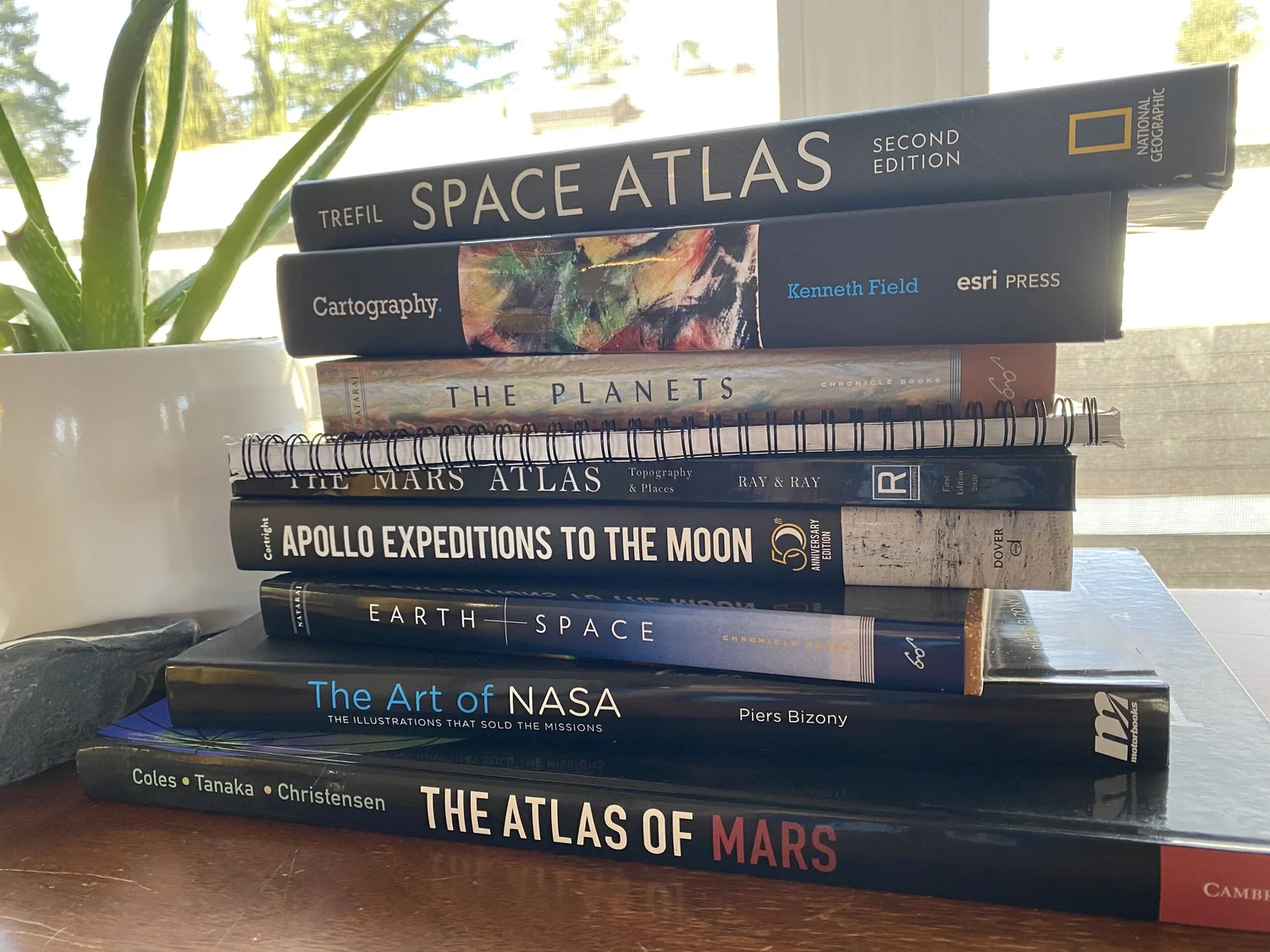
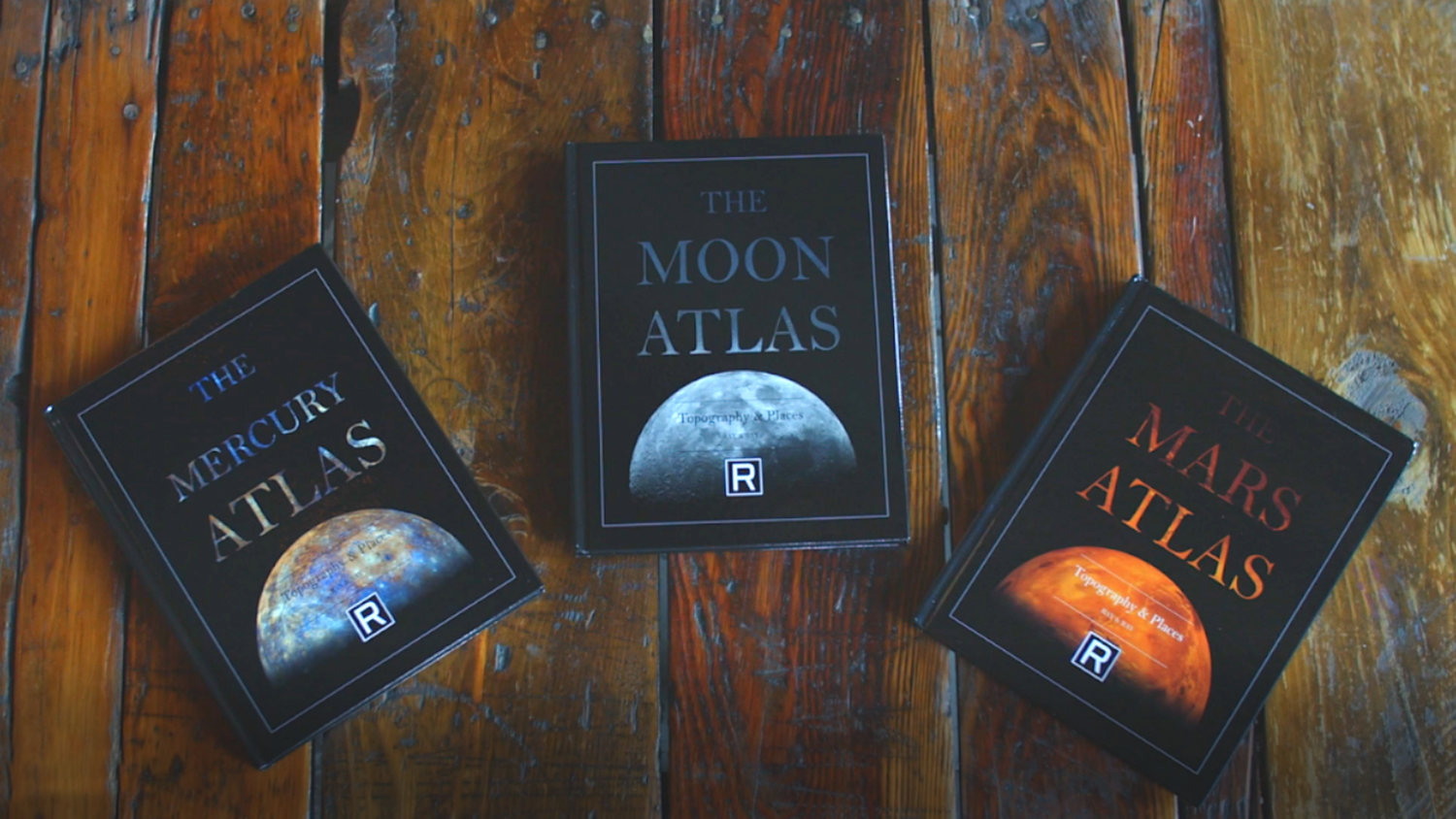
The full RedMapper Planetary Atlas Collection is here. Mars, Mercury, and the Moon — all three volumes now available. These atlases represent years of work, combining the most detailed orbital imagery and topographic data ever gathered for each world into beautiful, large-format print editions.
Each volume is printed on high-quality archival paper and features dozens of full-spread maps, annotated feature guides, and a complete nomenclature index. Whether you're a space enthusiast, an educator, or a collector, this is the definitive reference set for planetary cartography.
Mar 22, 2021
Portals
First Mercury Portal
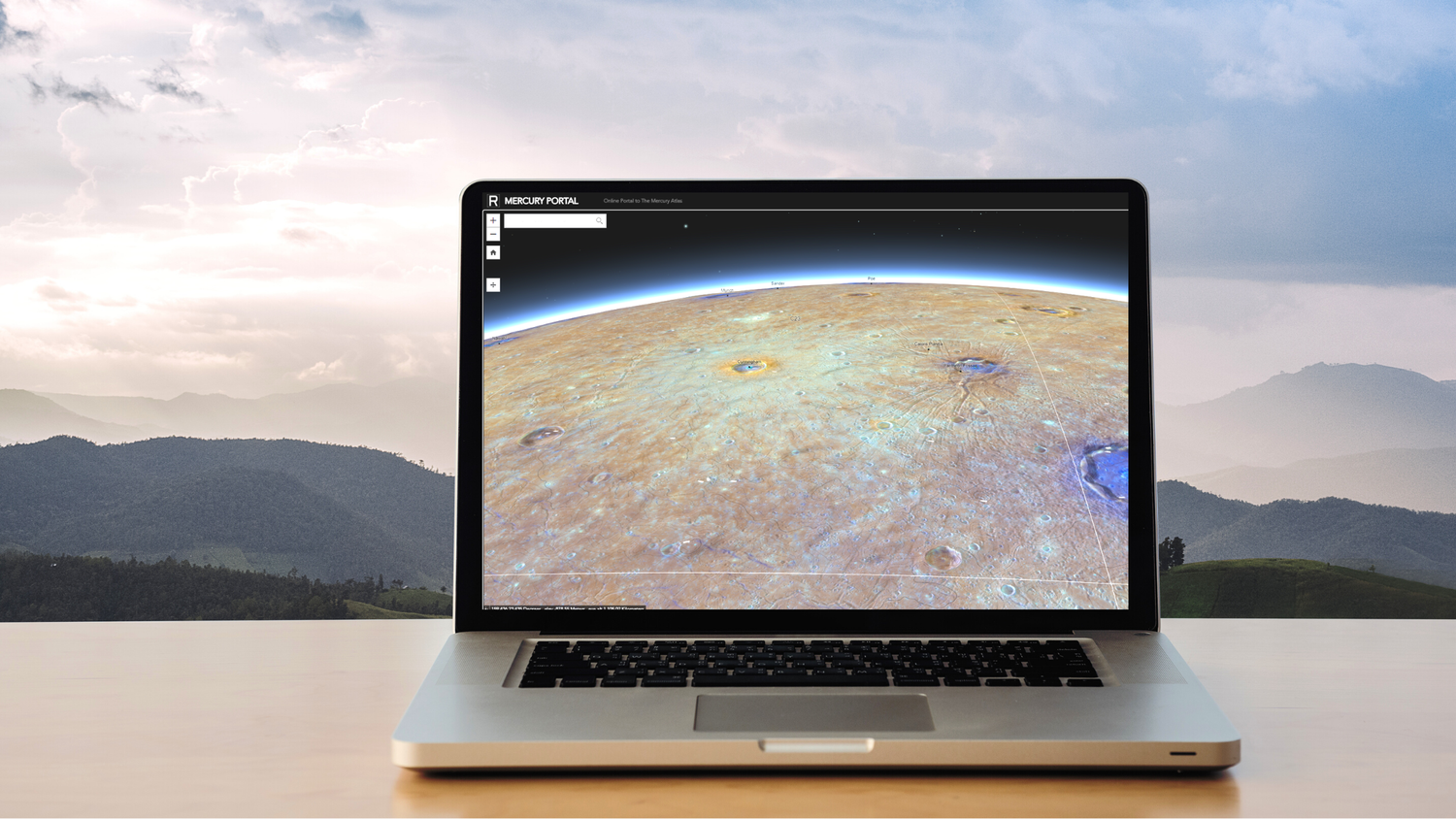
RedMapper's Mercury 3D Portal is now live. Built on ArcGIS web technology and powered by MESSENGER mission data, this portal lets you explore the surface of the innermost planet at unprecedented resolution — craters, scarps, volcanic plains, and all.
Mercury has always been one of the least-mapped worlds in the solar system. The MESSENGER mission changed that, and now we're putting that data into everyone's hands. Launch the portal and fly over Caloris Basin today.
Feb 4, 2021
Education
Planetary Mapping 101
How do you make a map of a planet you've never set foot on? It's a question we get asked all the time, and the answer involves a fascinating chain of science, technology, and craft.
In this post, we walk through the basics of planetary cartography — from orbital image acquisition and digital elevation models to projection systems and print production. Whether you're a student, a teacher, or just curious, this is your introduction to how planetary maps are actually made.
Dec 4, 2020
Opinion
Uwingu or Uwingdon't
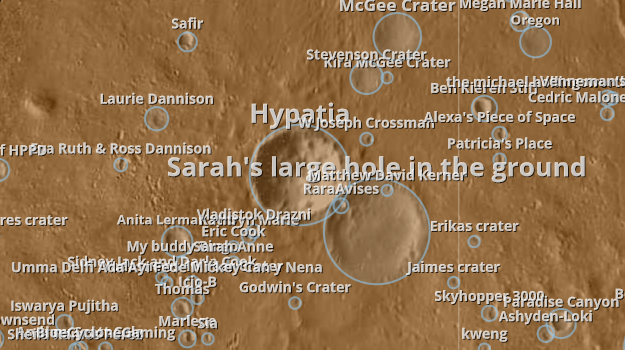
You may have heard of Uwingu — a company that lets you "name" features on Mars for a fee. It's a compelling idea, and it raised a lot of money. But there's a problem: those names aren't official. The International Astronomical Union (IAU) controls official planetary nomenclature, and Uwingu names carry no scientific weight.
We have complicated feelings about this. On one hand, it gets people excited about space. On the other, it misleads the public about how planetary naming actually works. Here's our take.
Nov 4, 2020
Moon
The "Stars" of Moon
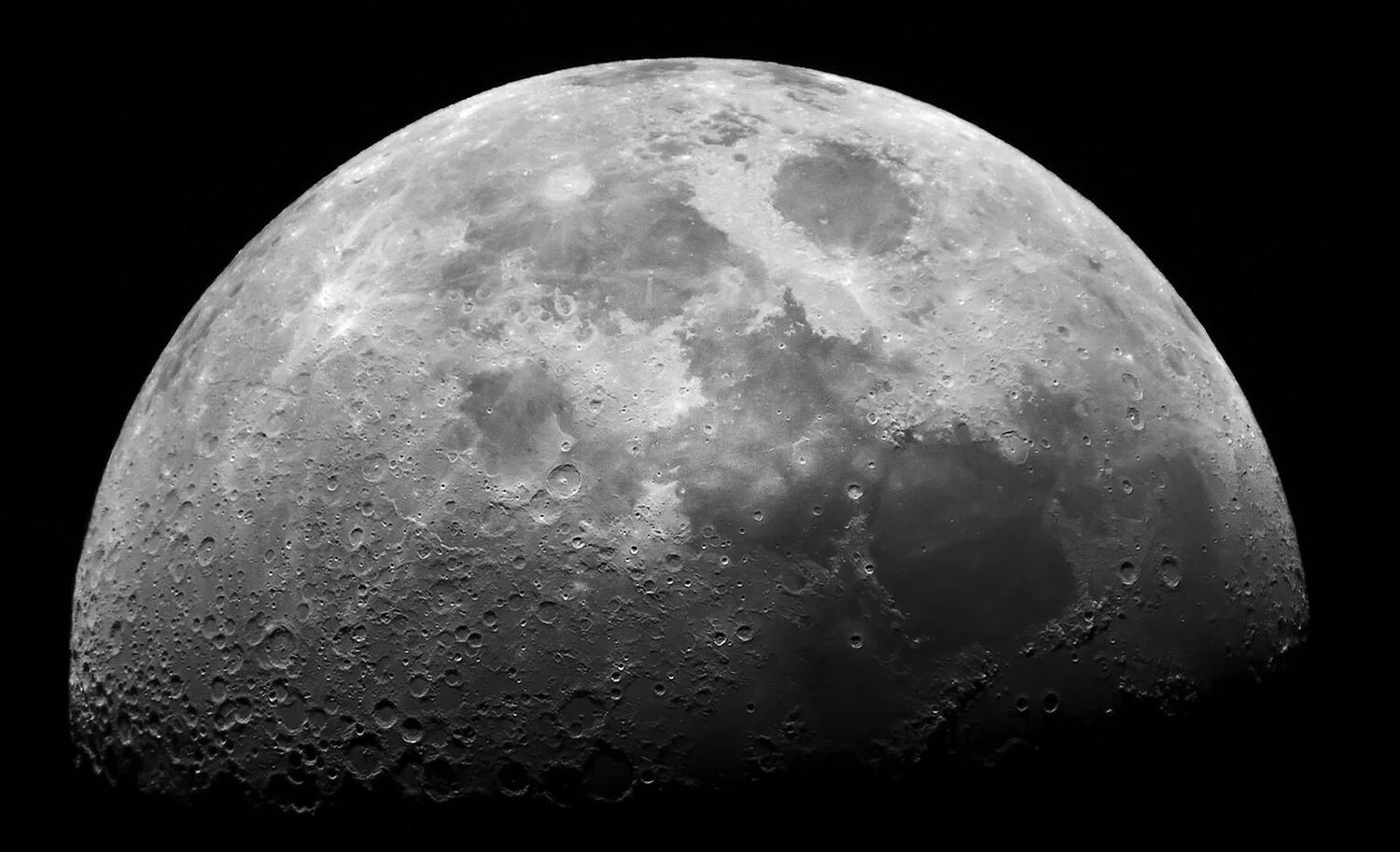
The Moon's surface is covered in craters named after scientists, astronomers, and mathematicians throughout history. In this post, we explore some of the most fascinating named features on the lunar surface — the stories behind the scientists, the craters that bear their names, and what makes lunar nomenclature so uniquely rich.
From Tycho to Copernicus, Plato to Pythagoras — the Moon is a map of human intellectual history, written in craters and frozen in time.
Sep 6, 2020
Atlases
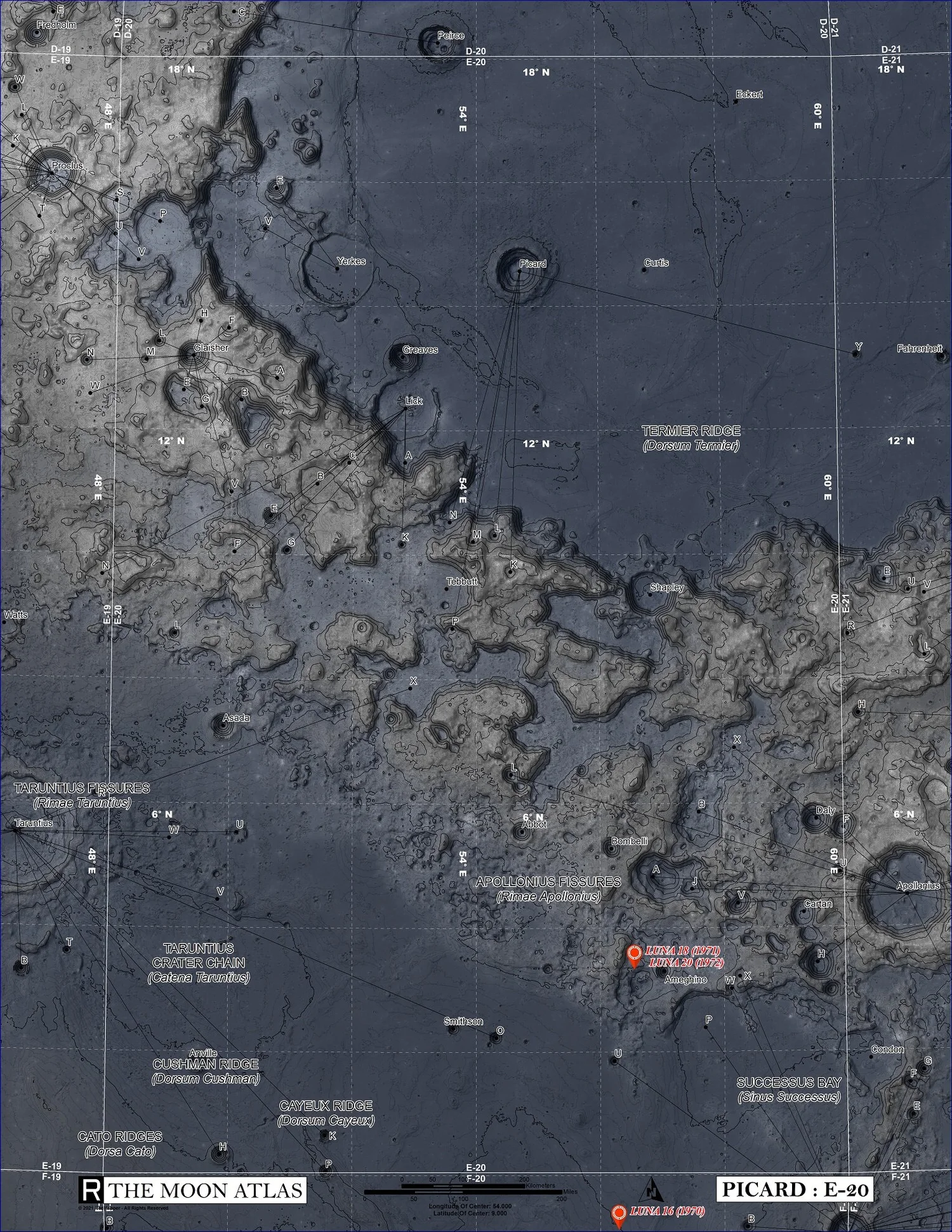
The Moon Atlas
The RedMapper Moon Atlas is complete and shipping. Sixty-four pages of detailed lunar cartography, drawn from the Lunar Reconnaissance Orbiter's extraordinary dataset — the most detailed map of the Moon ever produced by a single spacecraft.
The Moon Atlas includes full-disk views of the near and far sides, regional maps of all major maria, highland terrains, and crater chains, plus a complete feature index. It's our most technically ambitious project yet.
Aug 2, 2020
Updates
Looking Ahead
With the Mars Atlas shipped and the Moon Atlas in production, we've been thinking hard about what comes next for RedMapper. The answer involves Mercury, Venus, and a few surprises we're not ready to announce yet.
The planetary science community is more active than ever — new missions, new data, new questions. We want RedMapper to be the bridge between that scientific activity and the general public who finds this stuff as fascinating as we do. Here's a preview of where we're headed.
Jul 5, 2020
Community
Gratitude
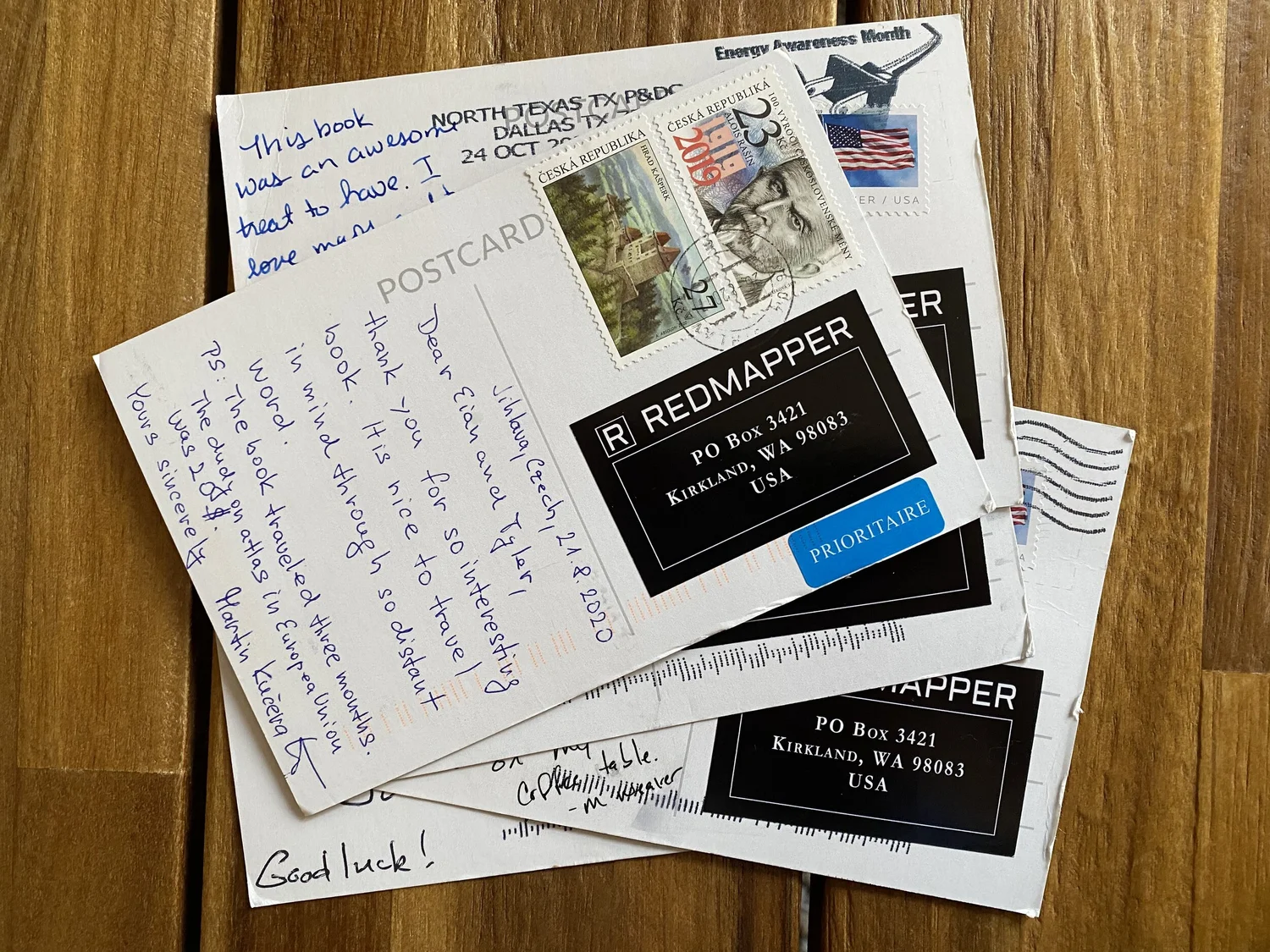
We want to take a moment to say thank you. To every backer, every supporter, every person who shared our Kickstarter or bought an atlas or just sent us an encouraging message — this project exists because of you.
Running a small cartography project about the planets is not the most obvious business model. But the response we've received has been genuinely humbling. Space touches something deep in people, and getting to be part of that is a privilege we don't take lightly.
Jun 1, 2020
Behind the Scenes
A Project We Love Less: Our Shipping Story
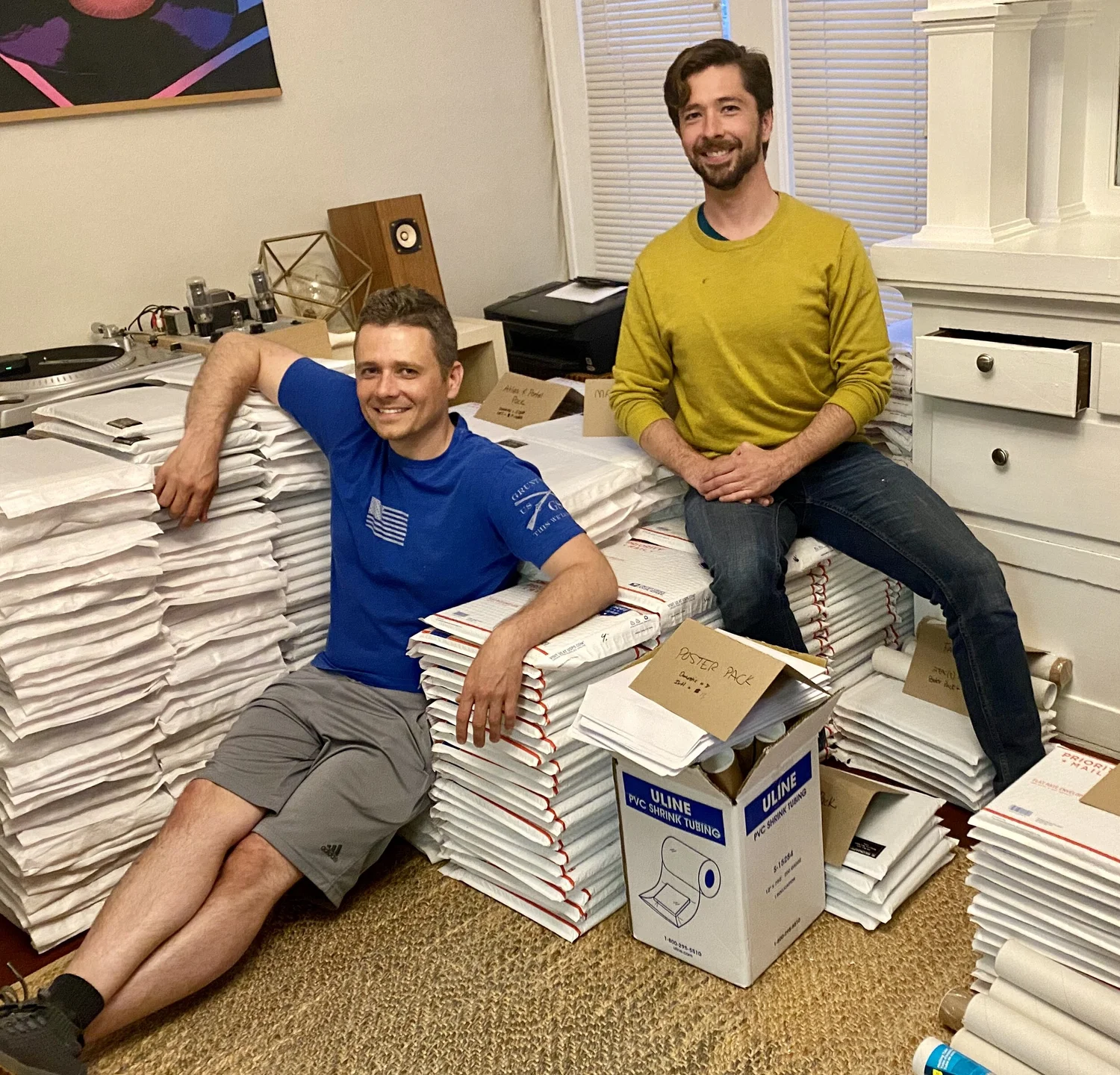
Let's be honest: shipping physical goods is hard. We love making maps. We do not love international freight logistics, customs forms, and the particular anxiety of watching a package stall somewhere in a sorting facility for three weeks.
This post is our honest account of the shipping challenges we faced during the Mars Atlas campaign — what went wrong, what we learned, and how we've restructured our fulfillment process to make sure it doesn't happen again.
Apr 5, 2020
Community
Intrepid Supporters
We want to celebrate the people who backed RedMapper before they had any real reason to — before we had a finished product, before we had a track record, before we were anything more than a couple of people with a big idea and a very detailed spreadsheet.
To our earliest backers: you took a leap of faith, and we hope we've justified it. Here's a look at some of the incredible people who made RedMapper possible.
Feb 16, 2020
Story
A Project We Love: Our Kickstarter Story
When we launched our Kickstarter, we genuinely didn't know what to expect. We had a finished atlas design, a modest funding goal, and a deep belief that there were other people out there who cared as much about planetary maps as we did.
We hit our goal in the first week. By the end of the campaign, we had backers from 22 countries. This is the story of how that happened — and what it taught us about the community of people who love space.
Feb 9, 2020
Mars
Valles Marineris: The Grand Canyon of Mars
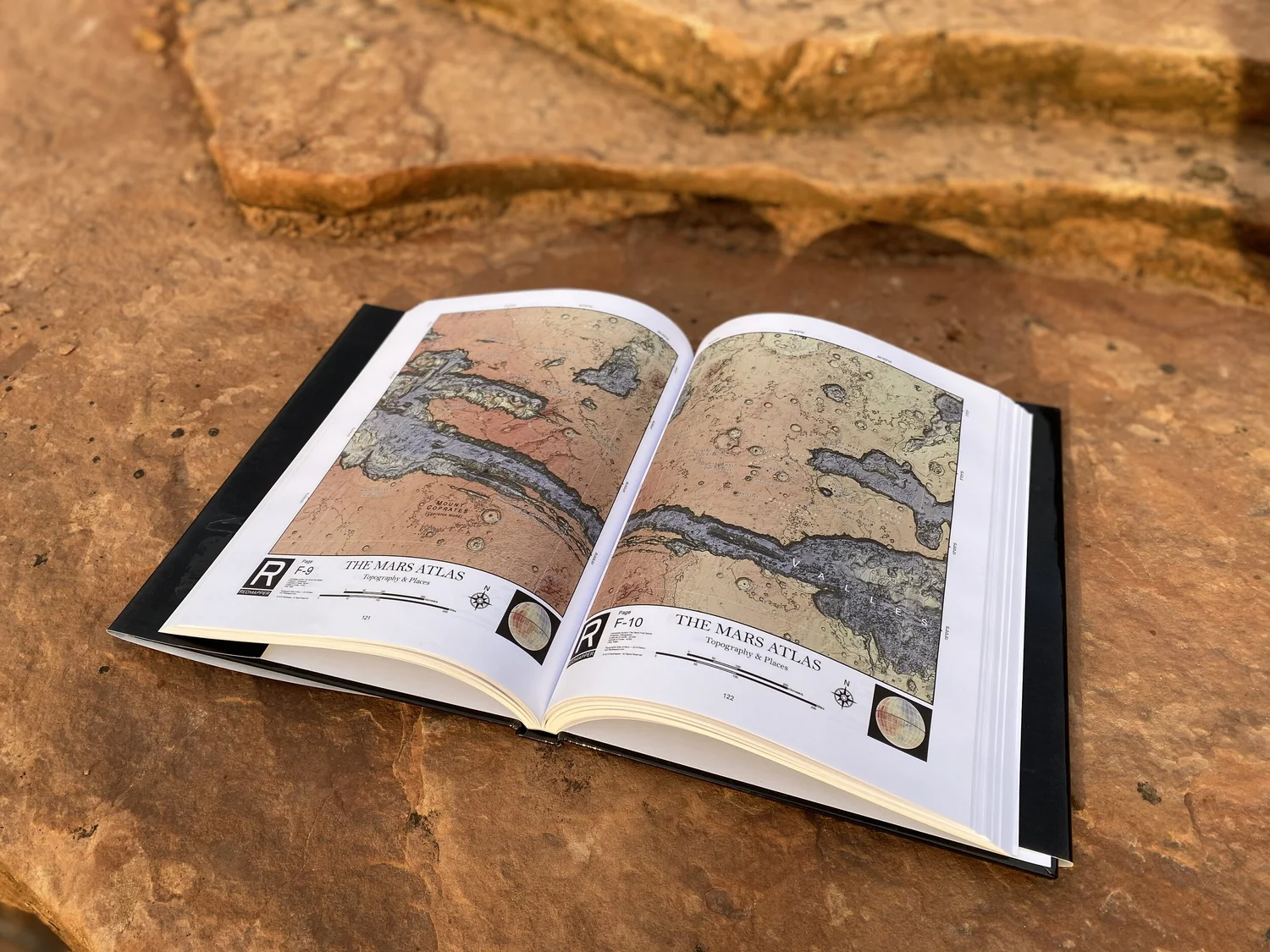
If you put Valles Marineris on Earth, it would stretch from New York to Los Angeles — and it would be four times as deep as the Grand Canyon. It is the largest canyon system in the solar system, and it is one of the most dramatic features on the face of Mars.
In this post, we explore the formation, geology, and cartographic history of Valles Marineris — and show you how it looks in the RedMapper Mars Atlas.
Jan 5, 2020
Origin
RedMapper Begins
Every project starts somewhere. For RedMapper, it started with a simple question: why isn't there a really good atlas of Mars? One that uses current data, applies real cartographic craft, and looks beautiful enough to belong on a bookshelf next to the great atlases of Earth?
We couldn't find one — so we decided to make it. This is the story of how RedMapper went from a question to a project, and from a project to something we're genuinely proud of. Welcome to the beginning.